 |  News30.11.2018 // Speech recognition: potential impact on toy retailOur generation has seen far more technological advancement than any before in human history. Technologies which were the stuff of science fiction movies only 40 or 50 years ago are now everyday commonplace! Among all these technologies though, one area which is likely to cause huge disruptive change has been comparatively under reported within toy circles. That area is speech recognition. Speech recognition technology has improved From the earliest incarnations speech recognition technology has shown huge promise conceptually for sure, but at the same time the experience was typically very frustrating in the past, with the user having to repeat themselves several times even to get the most basic of words recognised. In fact, there are several banks who insist on having you shout at the phone with simple words like yes or no several times just to make progress and check your account balance or make a simple query! The good news in terms of user experience is that technology has advanced considerably in the last five years or so, largely due to investment from global tech behemoths like Amazon & Google. We’re now in a situation where speech activated assistants like Amazon’s Alexa, heard through their Echo & Dot smart speakers, are consistently delivering to consumer expectations without the same frustration factor. This means we are heading into a new explosive growth era for this technology. Speech technology will disrupt retail The implications of these advancements are huge, in fact, they are bigger than huge! Voice commerce sales already accounts for $1.8bn sales in the USA and ca. $200m in the UK. This includes retail sales triggered by voice ordering via various software, services and hardware. These figures in themselves are already impressive, especially for the USA, but the projections are even more impressive: In March 2018 the OC&C Strategy Consultants published a survey for 2022. By then the USA is forecast to hit $40bn retail sales via voice commerce, with the UK tipped to top $5bn by the same date. This is a huge tsunami wave about to hit consumer products industries, and there doesn’t seem to be sufficient anticipation of this massive wave which is in the midst of arriving. So, let’s take a look at some of the implications of this change for the toy industry, especially toy retailers: Toy retailers need to embrace this change – many retailers took too long (as much as 5-10 years in some cases) to get serious about e-commerce. In this case Amazon and others have taken the lunch of other retailers who buried their heads. Practically speaking the voice commerce revolution is going to further grow market share for Amazon above all, as they have the market leading and dominant software and hardware. So, if you thought Amazon in e-commerce form was a threat, there will be a significant part of the consumer products market which will be primarily purchased via them due to the captive audience inherent in their devices capturing the market. Human beings are primarily creatures of habit – creating a particular shopping habit in the first instance is the challenge, when it is 2nd nature, human beings will tend to automatically repeat the same purchase path. This habit is currently being formed in ever increasing scale, so if any retailers out there are going to respond aggressively now is the time before hundreds of millions of habits form! To avoid panic mongering, we must be clear though that in many cases voice will not be as effective or as popular as a visual search when it comes to entertainment products like toys, and as such voice commerce may not be as big a threat to toy retailers as e-commerce has been. Voice commerce will lend itself most to repeat purchase of functional low value items where price comparisons are less important and the same item is needed continuously e.g. paper, printer cartridges. There is though some potential for toy consumables and toy related consumables like batteries, compound refills e.g. Play-Doh tubs. Highly aspirational hot selling toys could also be a likely purchase from Amazon, where the parent is motivated to buy the toy without need for price comparison, because these can be described by voice and purchased with express delivery. Clearly lower cost or less head count heavy customer service is going to result eventually, although we’re not quite there yet. As ever, those physical ‘bricks and mortar’ retailers who are not able to capitalise directly on voice commerce will usually benefit from their fundamental competitive advantages versus ‘virtual’ retail: Product knowledge combined with customer service and in store experience. One good example of experience in toy retail is Hamleys of London in England. If you haven’t been to Hamleys, let me briefly describe what happens when you visit. Firstly, when you arrive at the store you are met with real ‘WOW’ in terms of the amazing window displays. Then a greeter in uniform welcomes you, and their colleague is there to bring on the fun with some kind of (perhaps intrusive!) play like spraying bubbles, throwing toy planes etc. As you move through the store, demonstration is a key factor, in fact over the years Hamleys demonstrations have been the launch pad for various successful toy brands and companies. The point is this – at some point in time over the last generation as we have been hit with wave after wave of technological innovations we have not always maximised the effect of the advantages physical retail can have. Retail is a hard business, so the importance of finding a counter advantage is critical. Speech recognition in toys The other major area where speech recognition is affecting the toy industry is in the product itself. We’ve had voice recognition toys for quite a long time, but again the software or hardware has often not been good enough to deliver true magic experiences. Children are not likely to continually repeat themselves to a toy with poor speech recognition capabilities. Today though we are increasingly heading to the point where the toys can get so slick that we can expect children to have a degree of meaningful interaction with toys. Clearly this comes with great responsibility for toy companies, but also heralds fantastic opportunities for high end tech driven toys better than ever before. What exhilarating times we continue to live in! | 27.11.2018 // Toy manufacturing trendsThese are interesting times for the toy manufacturing sector. For most people in the toy industry, toy manufacturing for most or all their careers can be summed up in one word – CHINA. China still reigns - but the situation is changingChina is still the primary source of toy manufacturing globally, and has a vast array of manufacturing capacity, supply chain, experience and knowledge combine with generally reliable delivery to acceptable standards. Things are changing in terms of toy manufacturing though. China itself (as a state) is less interested in low end manufacturing versus the past, with the future looking more like technology driven manufacturing and easily automated toy production versus the original low labour cost driving toy production. China has taken huge steps to reduce pollution following dreadful air quality issues in major settlements in China. China as a centrally planned/controlled state can do things other countries can’t. Huge forests have been planted to swallow up fumes and add clean oxygen back into the atmosphere – in fact in 2018 China is set to plant enough new forest area to cover the entire island of Ireland, with 60,000 soldiers assigned to the task. Toy companies sourcing from China have also seen cost increases in cardboard packaging over the past few years as China has cleaned up paper mills and sourcing. According to the research on the topic of toy manufacturing, it looks like China currently manufactures in the region of $35billion of toys each year. Our estimates are that China will lose around half of that manufacturing over the next 10 years. Which has two clear implications – firstly, China is not disappearing from toy production, they will continue to be a strong element of toy manufacturing for the next decade or two at least. The other clear implication though is that half of current production will need to find another home. The push towards manufacturing more toys outside of China has accelerated somewhat during 2018 due to ongoing cost inflation pressures, the need to drive cost savings following the implosion of Toys R Us and fears that Donald Trump would apply tariffs to Chinese manufactured toys. Alternative toy manufacturing hubsAmong the options outside of China, there are some obvious long-term winners. Over the course of the last 12 months, India’s toy manufacturing has grown further as Hasbro and others have increased their number of vendors in India. Clearly like with any new thing, Indian toy manufacturing is in a learning curve and toy companies need to be able to deal with a different culture and a different style of communication. Vietnam is another credible and growing toy manufacturing hub. Most capacity in Thailand comes via Thai subsidiaries of Chinese manufacturing groups, and clearly as the pressure grows on the business in China we can expect expansion further into Vietnam. Conversations with people in the know do though suggest that Vietnam will have somewhat limited scope due to infrastructure restrictions and other local issues. ‘Other Asia’ will also be a growing opportunity, with Malaysia, Thailand, Indonesia and the Philippines each having some very good factories. The other major trend is ‘near shoring’. As the cost advantage of China disappears into the past, and as the political climate in major markets such as the USA turns inwards versus outwards, there is a definite trend for near shoring. Manufacturing is brought back to the home market or nearer manufacturing hubs. Eastern Europe is a growing hub for European toy companies. The labour rates are now often significantly below China, while being much closer to home reduces shipping times and demand responsiveness during critical peak periods. In summary – the long-established status quo in toy manufacturing is changing rapidly. China remains the primary source of toy manufacturing, but that is ebbing away to alternative hubs to some degree. The ‘easy’ option remains China, but manufacturing and shipping cost savings combined with quicker re-supply times are rapidly changing things. | 19.11.2018 // Toys International – we all play the same, right?No matter where on Earth you may look: Don’t kids play the same way everywhere? Girls love their dolls, boys prefer cool cars, dangerous dinosaurs and massive spaceships – so it does not come as a surprise that the toy market has become such a large business all around the globe. But the strong parallels that we see worldwide are not random as playing is not just fun and games, but also the most important "work" children have to do. By playing, kids learn all the skills an adult needs to have – from motor skills to social competence. Toys are different in each country There are nonetheless differences between countries – the principle of one size fits all does not always work. In addition to children’s natural (and universally equal) urge to play, other factors come into play, such as a country’s culture and value system, and the respective media landscape. An important factor to consider is that nearly all nations have developed their own aesthetic traditions over centuries, which still influence what people find attractive today. To understand what this means, you simply need to take a look at children’s books in different countries. Toys may roughly be the same everywhere but they look slightly different from country to country. For example, what should a doll’s face look like or which materials are preferable? Should it be colourful and flashy or is wood and a simple look the better option? Toys need to meet various demands A toy’s outward appearance is not the only important thing, but also the features offered by it. Also very important is the question how parents want to raise their children. This influences what they expect from toys they get for their children and which functions these toys should have. This differs greatly in each country, which can be related to a country’s history, but also be influenced by a country’s national education system. Should the product simply be a fun and entertaining toy, or should it teach the child something, maybe even challenge the child to think, going so far as to compensate for perceived teaching deficits at school? Values such as performance orientation, creativity and also gender roles are shaped by society. These values are then also reflected in toys for children. This is not just a matter of educational toys, but toys in general. Should a doll be interactive and stimulate the child, inciting individual playing routines? Or should the toy be without any instructions at all, so the child can play guided by its own creativity? Some of these aspects and demands can be catered for by different packaging designs for each country, which then showcase the right characteristics for the respective country (however, this is often not possible anymore because of our globalised economy). Other criteria demand completely different and country-specific features. These lead to certain toys not being suitable to be sold everywhere, even if they theoretically fulfil the playing requirements for all children around the world. The biggest country-specific differences can be found in toys for toddlers In the course of our research, we found out that the differences are slowly disappearing as the globalised toy and media landscape is dominated by only a handful of large companies. However, the necessity to localise is still an important factor in the toy business. This applies all the more for the youngest generation: Especially in the infant and preschool age group, the differences are at their largest, whereas older children are increasingly guided by the big media and toy franchises. . | 15.11.2018 // Alibaba to bring $200b of goods into China over next five yearsAs reported by the South China Morning Post, Alibaba Group Holding said it will help bring $200b worth of products from more than 120 countries into China over the next five years to help meet the rising demand of Chinese consumers for high-quality international goods. Between 2019 and 2023, Alibaba will help import from businesses of all sizes in countries such as Germany, Japan, Australia, US, and South Korea, the Hangzhou, China-based company said in a statement. Alibaba’s pledge for step up imports comes a day after China’s president Xi Jinping made fresh promises to open the world’s second-biggest economy to the outside world, including lowering import tariffs and broadening market access, and voiced support for economic globalization. As part of its commitment to boost imports into China, Alibaba has announced a strategic partnership with privately held Hong Kong trading group Fung Retailing. | 07.11.2018 // What will retailing look like in 2040?- Market research firm, Euromonitor International, has released a research report, which delves into how society will be living, working, shopping and playing in 2040.
Authored by the global head of digital consumer research at Euromonitor International, Michelle Evans, the report indicates that key technology – such as the 'Internet of Things', artificial intelligence and augmented and virtual reality – will have significant impacts on how consumers will conduct their daily lives. When it comes to retailing, Evans suggests that consumer values will have shifted to place more importance on experiences rather than purchases. According to the report, consumers will – and to some degree already do – expect a personalised experience from a brand across a multitude of screens. Evans suggests that in the past, the retail experience was transactional, but is now one about a journey and relationship building from the beginning to the end, which adds personalised value to the consumer's shopping experience. Evans also predicts that it won't just be the change in consumer's expectations that will impact the way that they shop in 2040, but that technology will significantly impact the layout and offering that a retail store has. According to Evans, the key features of a retail store in 2040 will be:A change in the retail storefront - Retailers will be able to send alerts to consumers to notify them of new pricing, products and experiences, to an individuals wearable or voice platform.
- Stores will have a separate entrance for those picking up online orders.
Technologically enhanced store entry and exit - Stores in 2040 will identify their incoming customers via facial scanning, allowing them to provide a tailored experience.
- Payment for the product or experience will be automatically deducted when a customer leaves the store.
| 31.10.2018 // Toy testing facility SGS sets up new units in Vietnam and IndiaAccording to its latest statement the firm is continuing to invest and upgrade its toy testing laboratories to meet rising levels of client demand. SGS, the toy testing, verification and inspection company has launched new testing capabilities in Vietnam and India. SGS already has a number of testing facilities located in key manufacturing zones and transit points around the world and according to its latest statement is continuing to invest and upgrade its toy testing laboratories to meet rising levels of client demand. In northern Vietnam, SGS’ new toy laboratory in Hai Phong is now ISO 17025 accredited by the Vietnamese accreditation body VILAS. The local team will now be able to serve the market requirements for the US, Europe, Canada, Japan, Austria, New Zealand and Vietnam. Meanwhile, in India, SGS has rooted itself in Manesar to test for local and international markets. The lab holds local NABL accreditation, which has been mandatory for toys imported to India since September 2017. SGS toy safety testing services span the EU toy directive and the US Consumer Product Safety Act. | 26.10.2018 // Ranok-Creative participation at Internationale Spieltage SPIEL ’18 in EssenBoard games are irreplaceable! It is one of the ways to keep excellent relations of parents with their children. Besides they help develop logic, imagination, erudition as well as master skills of critical thinking and get skills of communicating with peers. The most important thing in the game world is expression of a child’s personality. It is a unique and bright personality who chooses this or that game depending on what exactly the child wants to develop - fantasy or intellect, or maybe attentiveness and dexterity are more important for this child at this very moment? One can see all the variety of modern board games at Internationale Spieltage SPIEL ’18 that takes place during 4 days from Thursday, October 25 to Sunday, October 28, 2018 in Essen. The international game days "Spiel" is the world's largest trade fair for toys and board games and offers visitors the unique opportunity to obtain full and detailed information on the complete national and international games offer. Nowhere else the whole game scene is represented as extensively as here. At this fair experiences are shared, new products are introduced on the market and new ideas and games trends are gained. The exhibitors invite you at many tables to test and play along. Entertainers show, how the games work and explain the unknown. From chess to the classic card games to children, strategy, skill and computer games everything can be found here. Even for small children the game days are a very special experience. A wide range of high quality toys are just waiting to be tested and recorded. Ranok-Creative Company is also among the visitors of SPIEL in Essen: we enjoy it together with gamers from all over the world! Besides we are glad to inform you that you can estimate our new items, - board games at our website: http://www.ranok-creative.com/862/. Make up your own mind to test them and feel free to buy your favourite ones!!! .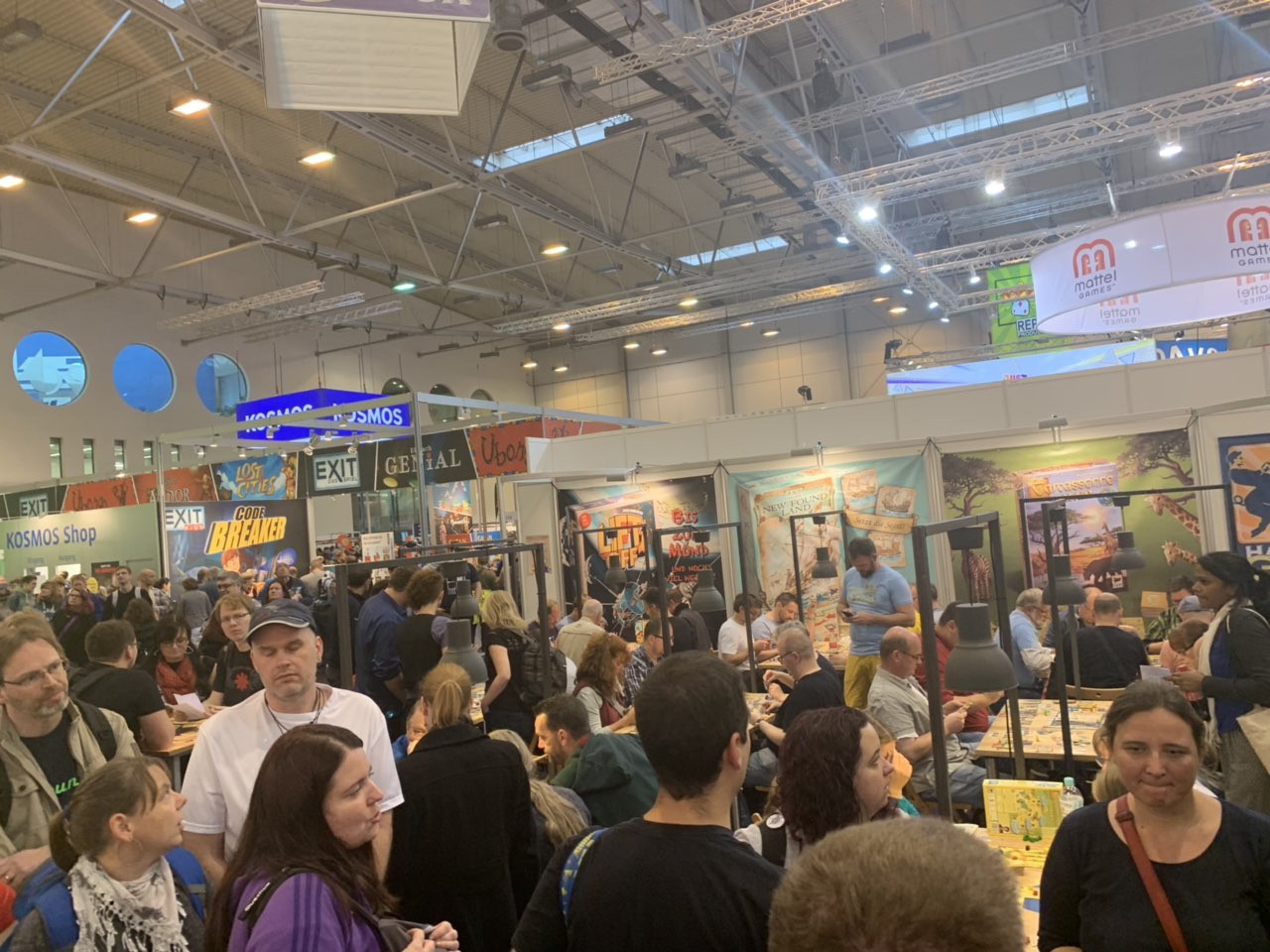 .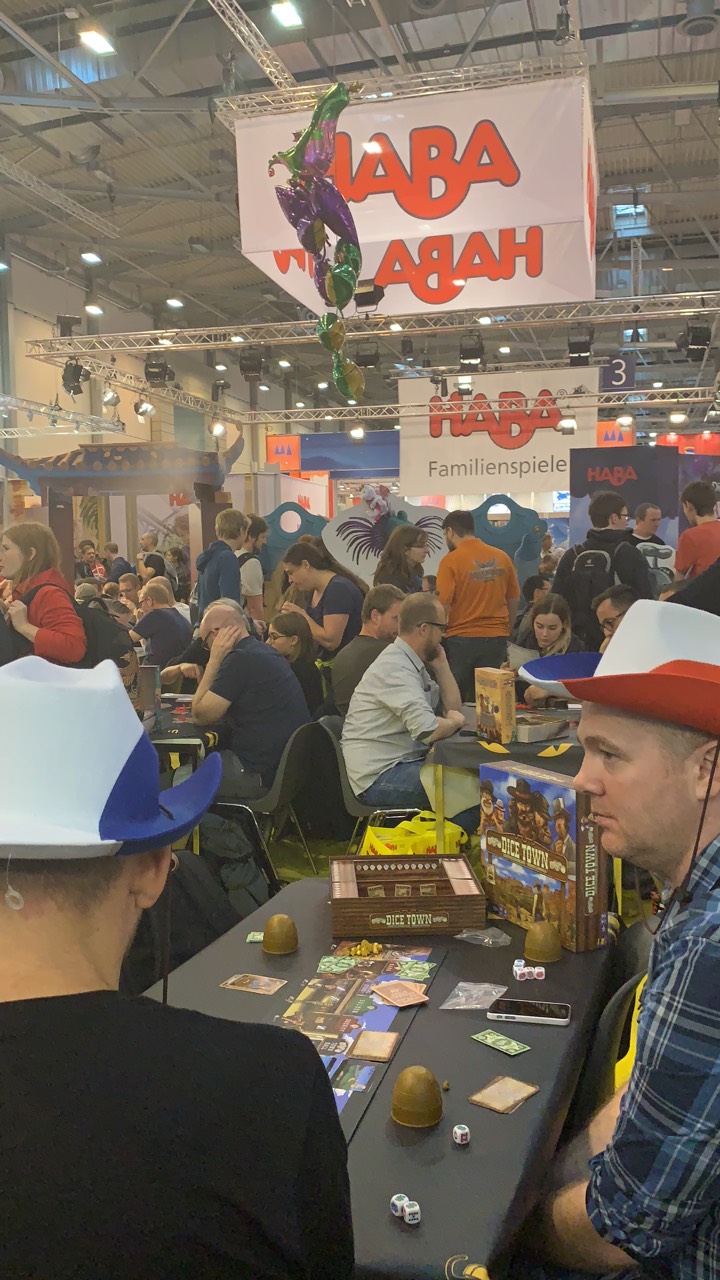 .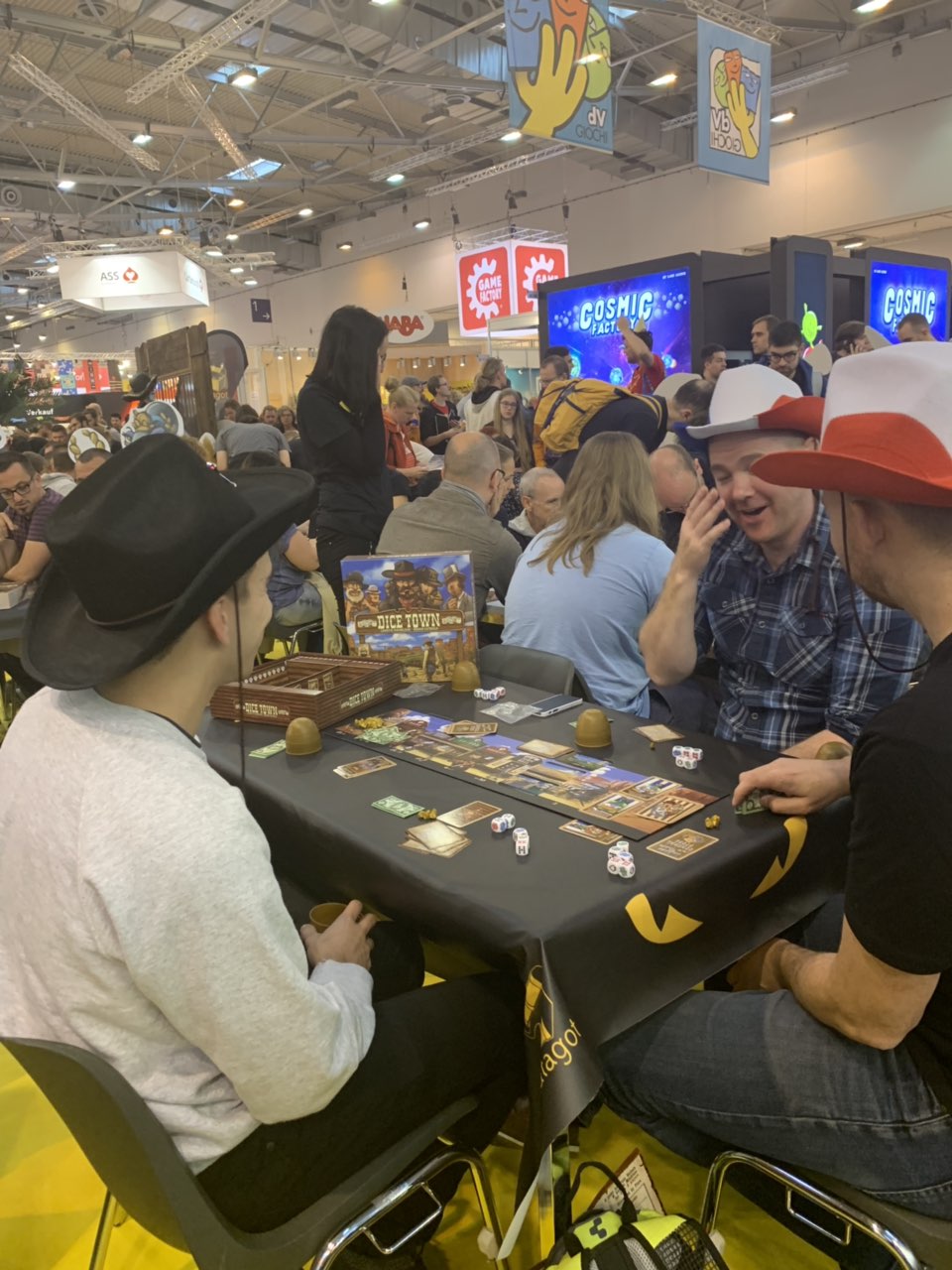 . | 22.10.2018 // Toy market the Netherlands: steady demand for games & puzzlesConstruction Toys, Action figures as well as games as puzzles are among the strongest performing categories in the Dutch toy market. In regard of sales channels, online shops are becoming more popular and a serious competitor for brick and mortar businesses. Get to know the Dutch toy market with some exclusive key facts. Traditional toys in the Netherlands continue to be dominated by a select group of international manufacturers. Eight companies (LEGO, Mattel, Hasbro, MGA Entertainment, Playmobil, Ravensburger, VTech Electronics and Disney) jointly account for more of than half of total value sales in traditional toys. The biggest local manufacturers are Jumbo Nederland and 999 Games. Local companies rely mainly on their appeal in traditional games and puzzles. LEGO owes its frontrunner status to its long-standing solid presence in the country, where it remains the undisputed leader in the important construction category. In games and puzzles, Hasbro and Ravensburger continue to lead. The two companies pursue very different sales strategies in this category. Hasbro relies on the enduring popularity of a few classic boardgames such as Monopoly, Risk and Levensweg (The Game of Life), which target adults. Ravensburger, meanwhile, invests a great deal in games and puzzles aimed at younger children.
 Top 5 toy companies in the Netherlands; market shares in % Toy licenses to gain momentumLicensing is generally considered an increasingly important phenomenon in traditional toys in the Netherlands. It is estimated that in some categories (e.g. dress-up and role play and plush) licensed products accounted for around one third of total value. Manufacturers particularly use the publicity generated by the launches of large movie franchises to create awareness of new products and boost demand for them. Licensed products feature prominently in construction and action figures and accessories, but also have a notable presence in others. Overall, tie-in products from international movie franchises clearly lead sales in most categories. Licensed products based on popular TV and cartoon characters play a role in products targeting younger children, however. For example, in plush toys there were licensed products from popular international and local cartoon characters such as Woezel en Pip or Dikkie Dik. Popular toy categoriesGames and puzzles is the second most important category in traditional toys. Games and puzzles maintain broad appeal as a favored traditional pastime with a wide age range of Dutch consumers. Children are encouraged to play boardgames and do puzzles to stimulate their cognitive development through play, but games are also a popular activity when families and friends get together. Action figures and accessories is one of the best-performing categories. It benefits on the one hand from the strong presence of Playmobil in the Netherlands, with the company’s products prominently available both in large specialist store chains such as Bart Smit and leading online retailer Bol.com. On the other hand, sales are driven by newly launched products from movie licenses. In terms of price platform, pocket money (purchases under €4.99) continued to increase its value share slightly. Dutch children generally receive pocket money from an early age. Model vehicles remained a category with a broad product selection for young boys in the pocket money segment, with various types of vehicles offered by popular brands such as SIKU. Action figures and accessories as well as construction toys are expected to remain among the best performing categories in traditional toys. Both will benefit from the growing reliance on licensed products from popular movie franchises to generate sales momentum. Relatively vigorous growth is expected in remote control toys. Rising sales will be driven by a growing demand among Dutch consumers for drones. Syma Toys Industrial is currently one of the leading manufacturers of toy drones in the Netherlands, and its products are prominently on sale at internet retailer Bol.com. | 08.10.2018 // The Millennial Generation shopper: how and why they buy toysAmerica’s Baby Boomers' long run as the largest generation in history has come to an end. Today, American Millenials passed the Baby Boomers with a population of 75.4 million humans compared to the Boomers who are now in second place with 74.9. That is according to the U.S. Census Bureau, the Pew Research Center and as reported by the Washington Post and other outlets. This generational passing of the baton is happening all over the world with profound effects on how we create, market and sell toys. Millenials, a generation that does not love cars but does love anything digital, will define the first half of the 21st century. And for that reason, they will have an outsized impact on government, society, culture and yes, the toy and play industry. So what do Millennial shoppers want? Tanya Dua, writing in her Digiday in her article, "The Mother of All Generations: 5 things Brands Should Know About Millennial Moms”, tells us that Millennial Moms "prefer brands that align with their values."The values expressed have to be organic to the brand and not an add-on. Giving a percentage of profits to charity is certainly a noble act. Yet, it does seem that this new generation of parents is far more attracted to companies that actually make their values an integral part of the product. That is why I think that the McDonald's Corporation's choosing, a few years ago, to cease using chickens with human growth hormone or more recent decision to stop providing plastic straws are steps in the right direction. They are both active values statements that are integral in a meaningful way to how they do business. Who would have thought that the values expressed by which chickens or straws are used might be as impactful for this generation as a Big Mac was for an earlier one? So, who in the toy and play industry has succeeded in expressing their values through their product and how it is marketed? - “Goldie Blox” certainly did by aggressively and endearingly espousing for girls to be engineers and engage in other hard science professions. Their products and their wonderful videos connected with girls and their parents through a cute but aggressive pushback against all things girly-girl.
- In the same sense “Green Toys”, though much more subtly, espoused its belief in safekeeping the environment with its very name no less than its use of a trade dress and logo that expressed allegiance to the Green movement.
- “Toca Boca”, now owned by “Spin Master”, has been a leader in kid's play by producing gender neutral, open-ended apps that are playful without being competitive. In addition, there are no ads or in-app purchases. By integrating values of no surprises for parents and silly fun for kids into their products they have connected strongly with parents and become leaders in the digital space.
Changes in marketing and taking values positions are, however not enough. Toy companies need to make changes in who they hire and how they operate. Here are some suggestions: - Embrace young talent at the executive level
Look around you and you will see that many of us are immigrants to the digital age. We speak the language but we do so with an analog accent. We “get it” in our brains, much as someone who learns to speak a foreign language, but not in our hearts.
Today’s children and their millennial parents are digital natives and they fully intuit the way today’s children expect to play. Watch a child of two with a magazine or book. The child presses the pictures fully expecting them to open yet another picture. Their expectations and intuition are dramatically different than ours.
In order to understand how 21st century children play, the toy industry needs to employ the best and the brightest of the millennial generation. Toy companies should be showing up on campus and recruiting.
The young recruits will need heavy guidance; after all understanding digital doesn’t necessarily make you a good businessperson. But by injecting them, their worldview and their ideas into the toy industry work force, the industry will seed a new generation of tech savvy leaders.
- Embrace alternative business models
One of the interesting developments of the digital age has been the explosion in alternative ways of making money through play. Freemiums, subscription services, micro purchases and other digital concept are in many cases confusing and non-intuitive to toy industry veterans.
Yes, they are different but the right mixes of models integrated with the traditional bricks and mortar format is with us and will continue to change how we do business. The toy industry would therefore be wise to hire executives who have experience with digital business models.
Importantly, they need to integrate them early into the product development process. In today’s world of phygital and digital play, the way a product is purchased is integrated into the product itself. As a result there is no clear dividing line between product and business model. They are one.
- Honor the past and present
Even though the face of play is rapidly changing, basic physical play is not just a great way to have fun but an important way to understand the physical world in which we live. A child needs to stack blocks in order to see what stays up and what falls down. A child needs to climb to the top of the sliding board in order to comprehend risk, experience exhilaration and to become brave. A child needs to play with dolls and action figures in order to play out themes of adulthood before they grow up.
The toy industry can fully embrace the 21st century by embracing its past, present and future as a whole and not as separate segments. There is no yesterday, today and tomorrow. There is just a seamless, never-ending evolution in how we play and how we sell play. Accordingly, the Millennial generation is just another in a long line of new parents, trying earnestly to figure out what toys are best for their children. The basics stay the same but the challenges are new. So, how does the toy industry embrace Millenials and the 21st century; by recognizing that play and the business of play are in motion and having the courage to respect that we have to run to keep up and run faster to get ahead. We must, in short, climb to the top of the sliding board. The view is scary, expansive and eye opening. The trip down the slide is…well you have to actually do it to find out. | 02.10.2018 // Spielwarenmesse's Toys meet Books concept fuels 41% rise in diversificationAs a result, the show is now growing the concept with a greater emphasis on encouraging booksellers to look to the toy for additional sales. Spielwarenmesse has seen a 41 per cent increase in the number of book retailers diversifying into toys, thanks to the success of its Toys meet Books concept. The special area made its debut at the Spielwarenmesse this year with the idea of opening the world of toys to booksellers and visa versa in order to help retailers boost sales figures through diversification. The concept has been labelled a ‘resounding success’ by the show’s organisers and as a result will be expanded upon with partnerships being extended for its next even in Nuremberg in January next year. The space set aside for the Special Area will be increased. The area encourages manufacturers to showcase non-book articles that lend themselves to the book trade. There will be ideas implemented in order to target these booksellers more effectively. Christian Ulrich, director of marketing at Spielwarenmesse eG, said: “We are paving the way for relevant ranges while providing valuable knowledge to assist this retailer group in the daily running of their stores.” The Special Area is now being extended to more than 200 square meters and will widen its scope to the international market. The Spielwarenmesse has also now secured a new media partner for the Toys meet Books area in Borsenblatt, a reputable specialist magazine for the book trade. It will also be stepping up its cooperation with the Frankfurt Book Fair. A closing statement from Spielwarenmesse read: ‘The Spielwarenmesse’s latest measures and partnerships at the Special Area Toys meet Books provide booksellers with even easier access to the toy sector. 'This gives them the chance to experience the products first hand, to find inspiration from the expert talks and to forge new and lasting contacts – all with a view to generating lucrative additional sales.’ |
| |


