|  News27.07.2016 // Kids License Monitor II/2016: these are the most popular toy licenses among childrenWhat is the current number 1 toy license? The Kids License Monitor from the Munich Children's Research Institute iconkids & youth is a useful guide for the toy industry and shows which toy licenses are currently popular among children. Benefit from the knowledge of the most popular licenses in the UK, France and Germany. Top 10 Licenses - appealThe licenses liked best by children aged 4-12 years in the three markets (total sample). For example, 72 % of all British children in this age group like Angry Birds. 

The licenses liked best by boys and girls aged 4-12 in GermanyBoys - 4 - 6: Cars, Ice Age, The Jungle Book
- 7 - 9: Ice Age, Tom & Jerry, Madagascar
- 10 - 12: Ice Age, Tom & Jerry, Penguins of Madagascar
Girls: - 4 - 6: Frozen, Pippi Longstocking, Princess Lillifee
- 7 - 9: Frozen, Barbie, Ice Age
- 10 - 12: Ice Age, Madagascar, Minions
The top 3 most popular licenses on toys in Germany sorted by genderBoys - 4 - 6: Spiderman, Cars, Minions
- 7 - 9: Spiderman, Star Wars, Minions
- 10 - 12: Star Wars, Minions, Spiderman
Girls: - 4 - 6: Frozen, Princess Lillifee, Disney Princess
- 7 - 9: Frozen, Bibi und Tina, Monster High
- 10 - 12: Minions, Frozen, Madagascar
| 21.07.2016 // Toys in the non-book product range of the book tradeThe book trade was one of the first to feel the effects of the growing success of online trade. What do you do when fewer customers come into the shop? Readings by authors and other events can help to attract more customers. These customers have been offered more than just books for some time now. "Non-book" is the magic word that booksellers hope will secure their future. Gift items, school and office stationery, greeting cards and toys can be found in many bookshops today. Toy suppliers - games publishers in particular - have been exploiting this potential for a while. For companies like Ravensburger or Kosmos it is relatively easy to place their toys and games in bookshops. They already have their own sales teams for their book products. Many other toy suppliers have also starting approaching customers successfully through bookshops.
Harald Hemmerlein has had a look around this year's novelties and presents a few examples that are particularly suitable for this distribution channel. The cult mouse now has a new master partner
 The cult "Diddl" mouse has been available through virtually all distribution channels since it was created. The license specialist United Labels is now the new licensee and master partner for Diddl. The licensing agreement extends over Germany, Austria, Switzerland, Spain, Portugal, France, Italy and Benelux and covers a wide portfolio of gift items, party ware, home fabrics, bags, cuddly items as well as watches, games and kitchen utensils. The core target group for these product categories is girls aged between 6 and 10. The products will be given a brand new 3D design and will be in the shops in autumn 2016. The cult "Diddl" mouse has been available through virtually all distribution channels since it was created. The license specialist United Labels is now the new licensee and master partner for Diddl. The licensing agreement extends over Germany, Austria, Switzerland, Spain, Portugal, France, Italy and Benelux and covers a wide portfolio of gift items, party ware, home fabrics, bags, cuddly items as well as watches, games and kitchen utensils. The core target group for these product categories is girls aged between 6 and 10. The products will be given a brand new 3D design and will be in the shops in autumn 2016.
Creativity is always a winner  "Creativity" is an emotive word that has a particularly positive effect on bookshop customers who are usually well educated. Kosmos has a new product for this customer group. "Creativity" is an emotive word that has a particularly positive effect on bookshop customers who are usually well educated. Kosmos has a new product for this customer group.
About two years ago the company presented its first "Geek & Co." kits. In 2016 a further six categories will be available: A block of lime wood can be turned into a little sailing boat in the DIY wood carving kit. Young sewers can create their own little super heroes. The "Geek & Co." range will also include stamping and planting kits as well as feltwork craft and experiments with LEDs.
Playing and learning Playing and learning, as we all know, are virtually inseparable. In the atmosphere of a bookshop this connection can, of course, be exploited very successfully.  The early learning book "Learn with me", published by Ravensburger in their tiptoi range helps second year primary pupils with their maths. Basic multiplication tables, adding and subtracting up to 100, measuring units and doing sums with times on the clock: In this little early learning book children help the castle ghost Erasmus von Rechenstein to overcome his age-related difficulties with maths. Children can have fun practising all the topics covered in maths lessons and then check the answers themselves. They have to climb up castle walls, cross the moat and shoot down the multiplication tables. The early learning book "Learn with me", published by Ravensburger in their tiptoi range helps second year primary pupils with their maths. Basic multiplication tables, adding and subtracting up to 100, measuring units and doing sums with times on the clock: In this little early learning book children help the castle ghost Erasmus von Rechenstein to overcome his age-related difficulties with maths. Children can have fun practising all the topics covered in maths lessons and then check the answers themselves. They have to climb up castle walls, cross the moat and shoot down the multiplication tables.
From adults for adultsAdults buy an above-average number of games in bookshops for their own use. This also includes jigsaw puzzles. The calender and puzzle specialist Heye also has some products in bookshops this year, including the four new jigsaw series "Jolly Pets", "Flower Show", "Hearts of Gold" and "Inside Neuschwanstein". There are also 54 new motifs from the categories art, fantasy, cartoons, nature and animals.
The "Jolly Pets" series includes two colourful animal portraits "Dogs never lie" and "9 Lives", by the artist Dean Russo. The illustrator and graphic designer Rita Berman has also joined the Heye team. Her imaginative hidden object picture "Happytown" consists of 1500 pieces. Babies receive a lot of presentsBookshops are also focussing on the other end of the target group spectrum, namely babies. People often buy toys in bookshops as a present for newborn babies, christenings or birthdays.
 TOMY's recently launched new products, the Mix and Match Motor Boat and the Paddling Puppy, are suitable for children from 10 months. The special feature of the Mix and Match Motor Boat is its engine which children can wind up. Wind it up once and it will zoom across the bath tub - no batteries needed. It is made up of four segments which are four little toys at the same time: a water pourer, sieve, water cannon and a water wheel. Kids can put the segments together however they want. But, however they design the boat, it will always float. The Paddling Puppy is a delight for all animal lovers. Turn the handle under the boat and the little puppy will start paddling happily across the water. The Paddling Puppy does not need any batteries either. TOMY's recently launched new products, the Mix and Match Motor Boat and the Paddling Puppy, are suitable for children from 10 months. The special feature of the Mix and Match Motor Boat is its engine which children can wind up. Wind it up once and it will zoom across the bath tub - no batteries needed. It is made up of four segments which are four little toys at the same time: a water pourer, sieve, water cannon and a water wheel. Kids can put the segments together however they want. But, however they design the boat, it will always float. The Paddling Puppy is a delight for all animal lovers. Turn the handle under the boat and the little puppy will start paddling happily across the water. The Paddling Puppy does not need any batteries either.
This is only a small selection of the toys that are suitable for sales in the non-book segment of bookshops. Just take a look at booksellers' online shops to see for yourself. | 18.07.2016 // Trade for All - New EU Trade and Investment StrategyThe Commission is proposing a new trade and investment strategy for the European Union: 'Trade for All'. The new approach builds on Europe's excellent trade track record. More than 30 million jobs already depend on exports outside the EU. 90% of future global growth will happen outside Europe's borders. A new strategy that will make trade agreements more effective and that will create more opportunities means supporting jobs in Europe. The new approach is also a direct response to the current intense debate on trade in the EU - including on the Transatlantic Trade and Investment Partnership (TTIP). It is also an implementation of the Juncker Commission's pledge to listen and respond to EU citizens' concerns. It will involve trade policy being more effective at delivering new economic opportunities; more transparent in terms of opening up negotiations to more public scrutiny; and address not just interests but also values. The new strategy addresses all these principles. It also lays out an updated programme of negotiations to put them into practice. Because transparency is an important topic in the trade debate, the Commission has consulted widely in preparation of the communication, meeting with hundreds of organisations representing civil society and government representatives in Brussels and national capitals. The Communication will now be considered by Member States in the Council and by the European Parliament, as well as by the European Economic and Social Committee. The actions will be implemented over the course of the current Commission's mandate. Who benefits from the new strategy? The new trade strategy is focused on making sure as many people as possible have access to the benefits of trade. Consumers: Consumers already have a wider choice of products at lower prices thanks to the EU's open trade policy. The new trade agreements planned in the strategy will expand this while protecting consumer safety. The Commission will also analyse more closely the impact of trade on prices and choice.
The new strategy also contains actions to increase consumers' confidence in the products they buy:
The Commission pledges to protect Europe's levels of consumer, environmental and social protection and will ensure that these will also be enjoyed in EU trade agreements in the future. This will give consumers confidence in the products they buy and how products are made, respecting human rights, social and environmental protection.
The Commission's proposed new approach to investment protection safeguards public authorities’ right to regulate in the interest of consumers.
The Commission will give greater support to fair and ethical trade schemes and to broader efforts to ensure responsible management of supply chains, helping consumers to make informed, sustainable choices.
In the same vein, the new strategy expands measures to fight against corruption, support sustainable development and human rights, including by ensuring effective implementation of related FTA provisions and the Generalised Scheme of Preferences. Workers: The new strategy will support jobs in Europe by making trade agreements more effective at creating economic opportunities. As 90% of future global growth will happen outside Europe's borders, that means supporting jobs in Europe. More than 30 million jobs - almost one in seven - already depend on exports outside the EU. Completing negotiations with, for example, the US and Japan and launching new negotiations in the Asia Pacific region and in Latin America will help create more jobs like these.
Free trade agreements will also contain strong provisions to promote the respect of labour rights around the world. The Commission will make it a priority to see that our trading partners implement provisions on core labour standards like the abolition of child labour, the rights of workers to organise and non-discrimination at work. The TTIP will include strong provisions on key issues like these as well.
The Commission will review the performance of the European Globalisation Adjustment Fund to make it more effective. The fund helps communities adapt when jobs are lost due to international competition. Citizens: The new strategy will help the public engage with trade policy-making by making the negotiations more transparent.
The Commission will, for example, request that the Council publish negotiating mandates and publish EU text proposals online for all negotiations, following the practice in TTIP.
Small and medium-sized enterprises: The new strategy seeks to make it easier for SMEs to take advantage of the opportunities provided by trade agreements by proposing dedicated provisions on SMEs in all negotiations. This will mean:
Requesting that trading partners set up dedicated web portals to give access to information on legal requirements for products.
Taking SME concerns into account in all parts of trade agreements.
Outside of negotiations, the Commission will:
Work with the Member States so that they better coordinate how they implement trade agreements with their national strategies to help SMEs go global.
Conduct regular surveys on barriers SMEs face in specific markets. People in developing countries: As the world's largest importer, the EU's deep and open market is already a vital source of income to people in developing countries. The new strategy confirms this basic pro-development stance.
It also expands our action to support sustainable development. The EU has been the strongest proponent of ambitiously integrating sustainable development into trade policy in the UN’s 2030 agenda and we will keep promoting this ambition worldwide.
It will also give more prominence to human rights concerns in trade work. We will begin intensified dialogue with the developing countries where EU trade has most influence to fight against human rights breaches, in particular those benefitting from the Generalised Scheme of Preferences (GSP). The Commission's new efforts to support fair and ethical trade schemes and ensure responsible management of supply chains will help improve develop more sustainable trade opportunities for small producers and better conditions for workers in poor countries. | 14.07.2016 // 10 Small Digital Marketing Strategy Hacks That Move The Needle
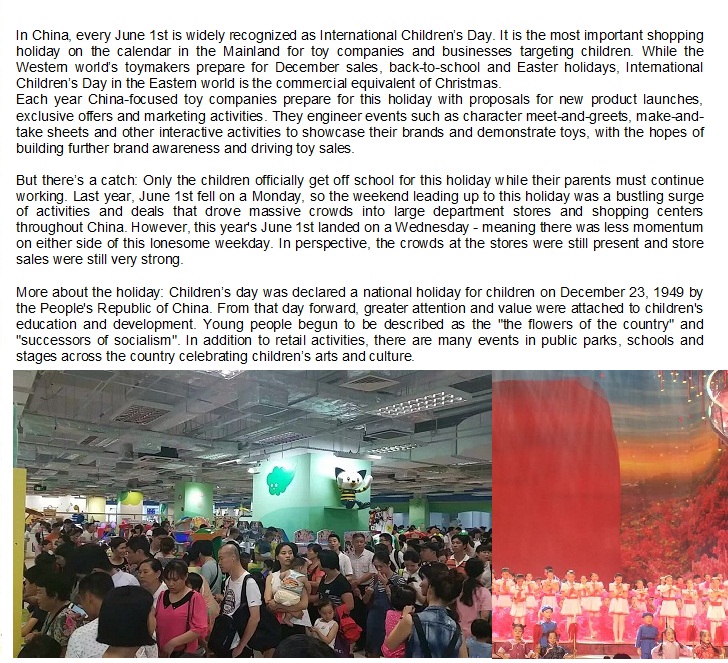
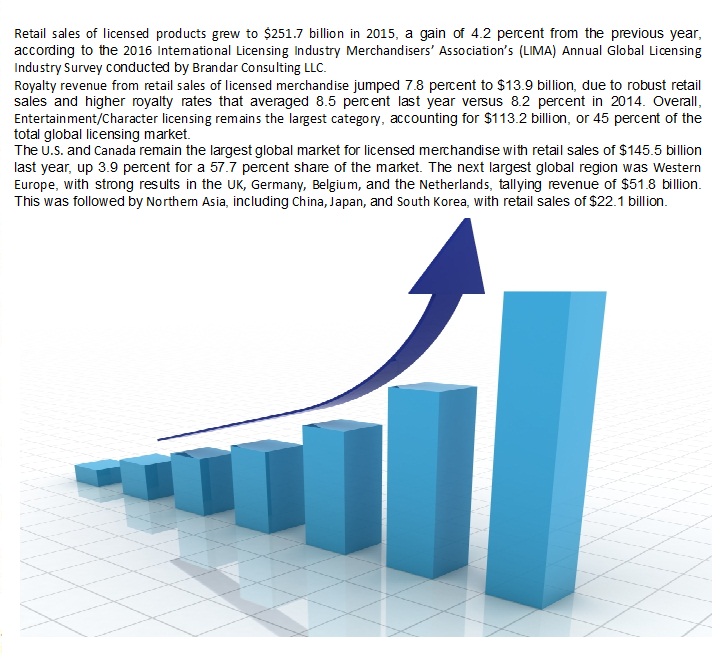
When was the last time you evaluated your website from the perspective of a customer? Have you ever secret-shopped your own eCommerce site? It’s far too often for a company to implement a website, software solution, or new program and never look back. You may get lucky and never have any big issues. Or, you may find everything from glaring typos to broken graphics and links that go nowhere. Even the most successful programs can afford to be tweaked a bit. Keep your digital marketing strategy on point by checking in with your systems and assets every quarter to every six months and performing a thorough test. See if anything can be updated, streamlined, or improved. Often, even small changes can make a really big difference. Below are small digital marketing strategy hacks that will really move the needle for you: 1. Replace One-Time Pieces with Evergreen ContentEvergreen content is a major time and money saver, as you can promote it at any point, rather than having to recreate content for a new campaign every quarter. Remember that, even though you’ve seen it a lot, your customers and prospects probably haven’t. What’s uninspired to you could be exciting to them and make a big difference on your ROI. If you have seasonal campaigns, do your best to make those evergreen as well so that you don’t have to reinvent the wheel each year. As an added bonus, maintaining consistent elements across seasonal promotions will build brand recognition with your customers. If your product is one that must be purchased annually, they’ll come to expect your campaigns – and they’ll be ready with their credit cards. 2. Prune Your SEM SpendObviously, you implemented your search engine marketing strategy so that you’d be able to attract customers doing searches inside your wheelhouse. But it’s still really common for those programs to get bloated and irrelevant over time. To prune your spend, ask yourself, are those outlier terms really worth the investment? Usually, it’s better to review the program and get laser-focused on only the keywords that matter most. Prune the rest. 3. Optimize Your Follow-Up EmailsDo you send transactional emails to customers that could benefit from a marketing tie-in? Even an electronic receipt can include a call-to-action asking customers to share their experience with you or enter a positive review you can use for social proof. When you really optimize each and every email you send, you’ll increase engagement and improve marketing without increasing time or money spent. 4. Audit Search Ads and Landing PagesIt’s important to periodically audit search ads and landing pages for consistency in messaging, color scheme, and promotions offered – especially if multiple people work on them or if your internal brand standards have changed. Small mistakes in these areas due to out-of-date landing pages or mismatched ad/landing page pairings could cost you customers or unnecessary ad spend. Also make sure all links on your landing pages work, and that all the ads you have are still relevant. Eliminate any extraneous ads – there’s no need to have them cluttering your ad account. If you aren’t able to do this yourself, you can hire an intern to do this in-house or outsource to an agency. The money you save will make doing so worthwhile. 5. Continually Optimize PricesCompanies that price once and never think of it again are leaving untold amounts of money on the table. Too many businesses focus on getting leads and customers, but fall off cliff when it comes to pricing. To optimize your pricing, quantify your buyer personas, implement a pricing process, and review it on a regular basis. 6. Create a “Swipe File”Copywriters are known for keeping great-performing content in a swipe file, which they can then use for inspiration and ideas for future pieces. It’s time that digital marketers did the same. See a beautiful pricing page? Inspired by digital sales copy? Impressed with a color scheme? Snapshot it in Evernote or another program, tag it, and save it for a time when you need some marketing inspiration. 7. Improve Your Pricing PageYour pricing page is where your customers go as they’re making their purchasing decision, so it pays to do it right. Making your pricing page clean and focusing on elements that matter to the customer can increase your sales dramatically. Why take up half of your pricing page with elements included in all plans? Instead, focus on the upgrades, keep your table small, and offer the right number of tiers. Your customers will thank you. 8. Streamline Your Checkout PageThere are an enormous number of small ways to optimize your checkout page to improve last-minute conversions. If you don’t need a field, don’t ask for it. Save your customers time and aggravation by allowing them to just check-out when they’re trying to buy, instead of forcing them to sign-up for an account. Include testimonials to reduce buyer’s remorse and last-minute mind changes. Many companies don’t bother with the design of their checkout page, but just implementing these small changes can increase your sales and growth dramatically. 9. Celebrate Your Influential PartnersCompanies who have influential partners or strong brand evangelists take celebrating them for granted. By publicly acknowledging these influential people, you encourage them to keep going, as well as invite others into advocacy. A small step of recognition could have major implications for your business’s sales and growth. 10. Implement Customer Retention StrategiesCustomer service isn’t often viewed as an element of marketing, but smart companies know the sales funnel isn’t complete until they’ve secured referrals and repeat business. A mere two percent increase in customer retention can lower costs by as much as 10 percent, so don’t forget customer service when you’re discussing digital marketing hacks and improving ROI. Improvements to your marketing strategy don’t have to require a five-person team and a six-month time schedule. Instead implement these small digital marketing strategy hacks and watch your sales, company growth, and customer satisfaction soar. | 08.07.2016 // Three reasons to consider The City of London Investment TrustA good investment for the long term? We believe investing over the longer term serves to mitigate some of the short-term risks and volatility inherent in equity markets, and can maximise your potential returns. The City of London Investment Trust aims to unlock value in equities on a medium to long-term basis, and may be of interest to investors looking to gain UK stock market exposure through a broad, conservatively managed portfolio of blue-chip investments. Looking back over the past 50 years, short term investors may have been unnerved by any number of macroeconomic events: the 73/74 bear market, the winter of discontent, severe unemployment, interest rates hikes to 15%, ‘Black Monday’, ‘Black Wednesday’, The Asian Financial Crisis, the dotcom crash, or the Global Financial Crisis; all potentially leading to performance damaging withdrawals in the process. City of London Adjusted for inflation, £100 in cash would be worth £1662 today; with income reinvested, £100 put into gilts would have handed back just under £7k; a broad basket of UK equities would have earned you nearly £27k; and £100 into the City of London would have earned just over £56k. Whatever your investment, you would have achieved the best outcome with a long term approach. However, please consider that past performance should not be used as a guide to future performance. An investment trust advantage One of the Trust’s strategic aims is to provide a growing stream of income for its investors by investing in companies that are well financed, offer a strong competitive advantage and demonstrate a history of stable cash-flows and rising dividends. The investment trust structure helps to achieve this aim: unlike open-ended vehicles which must pay out all of the income they receive from underlying holdings, a UK-domiciled investment trust is permitted to retain up to 15% of its annual income and pay it into a reserve account. It means that during more plentiful years a small percentage of the dividend payments can be put aside, so that during lacklustre years, for example in an economic downturn, the fund manager is able to use the reserve to top-up the dividend it pays investors and smooth the income stream over time. While not a guide to the future, this has enabled City of London to grow its dividend every year since 1966 – the longest record of any investment trust! Job Curtis has been managing the Trust since 1991. Low charges Charges can be a significant drag on performance, a fact sometimes ignored by investors. For example, using a simple mathematical model, a £10,000 investment growing at 6% for 30 years would be worth around £51,000 in a fund charging 0.4%, but only £42,500 in an identical fund charging 1%. Due to its size and its ability to spread its costs among a large base of investors, City of London’s ongoing charge is the lowest in its sector, at just 0.43% per year. So why consider City of London? - While not a guide to the future, it has weathered a myriad of economic events and market turmoil through its conservative, blue-chip investments, and may be a good investment for the long term. - It has the longest growing dividend record of any investment trust, aiming to provide a smooth stream of income to its investors. - It has the lowest ongoing charge of any investment trust in its sector, reducing the drag to potential future performance.  | 30.06.2016 // International Children’s Day – the most important shopping holiday in China | 29.06.2016 // Retail sales of licensed products is growing up | 16.06.2016 // Top toy predictions for Christmas 2016 and insight into the future | 01.06.2016 // Happy International Children's Day | 31.05.2016 // New ideas of how toy stores should look in future |
| |